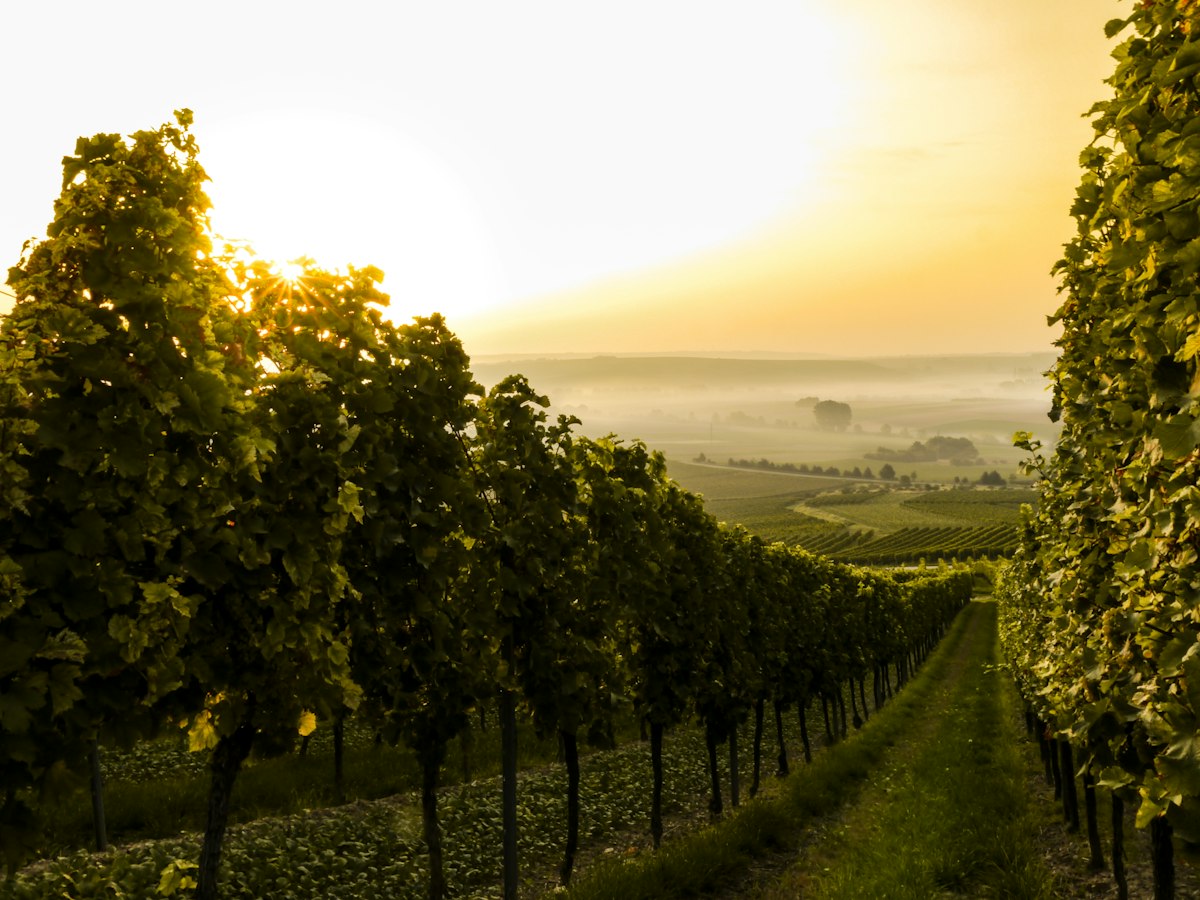
New Zealand's Hop Industry
New Zealand is a globally significant hop producer, with the Nelson-Tasman region at the centre of the industry. NZ hops — particularly distinctive varieties like Nelson Sauvin, Riwaka, Motueka, and Pacific Gem — are internationally recognised for their unique flavour profiles, achieving premium prices in export markets and supplying both domestic craft brewers and major international brewing companies.
The NZ hop industry is concentrated in the Waimea Plains (near Nelson), the Moutere Valley (Tasman), and parts of the Wairau Valley in Marlborough. Commercial hop gardens are capital-intensive operations: the infrastructure required — tall poles, wire systems, string lines, irrigation, and drying kilns — represents a significant fixed investment on top of the value of the annual crop itself.
Understanding this dual exposure — both the high-value annual crop and the substantial fixed infrastructure — is essential to structuring appropriate insurance for hop growers.
Key Risks for NZ Hop Growers
Hailstorms
Hail is the primary catastrophic weather risk for hop gardens in Nelson-Tasman and Marlborough. The Nelson-Tasman region can experience hailstorms during the growing season (September through to harvest in March–April), and hail damage to hop bines at any stage of development can cause significant crop loss.
Hailstones can shred hop leaves, damage developing cones, and dislodge bines from their string systems. A severe hailstorm during peak growth or shortly before harvest can cause total loss of affected areas. Unlike fruit orchards where hail nets are increasingly standard, hop gardens have traditionally been unnetted — the tall structure (typically 6–7 metres) makes conventional netting impractical.
Wind Events
Strong winds are a significant risk for hop gardens given their height and the mechanical load on the pole and wire system. Gale-force winds can:
- Blow bines from their string systems, losing the crop for the season
- Damage or destroy the pole and wire infrastructure itself
- Topple inadequately secured poles
The Nelson-Tasman region experiences periodic strong nor'west and southerly wind events that create genuine structural risk for hop gardens. Wind damage to hop infrastructure can be expensive to repair — a full hop garden infrastructure replacement can exceed $100,000 per hectare.
Frost
Frost at early growth (September–October) can damage emerging hop shoots and reduce the number of productive bines for the season. While established hop rhizomes are frost-hardy, the emerging shoots are frost-sensitive. A late spring frost can reduce crop yield without killing the plant, making the loss calculation more complex than for frost on tree crops.
Drought and Irrigation Failure
Hop gardens are highly water-intensive during growth. Nelson-Tasman's relatively dry summer conditions mean irrigation is essential for most commercial hop operations. Irrigation failure — through system breakdown, power failure, or water availability restrictions — during the critical summer growth period can significantly reduce yield.
While drought itself may not be an insured peril under standard named perils policies, irrigation infrastructure — pumps, mainlines, dripper systems — can be insured under equipment breakdown and farm property covers.
Understanding the Infrastructure Risk
A commercial hop garden represents substantial infrastructure investment that must be insured separately from the crop:
Pole and wire system: The structural backbone of a hop garden. Steel or timber poles set at regular intervals, with a complex wire system supporting the string and clips from which hop bines grow. Replacement cost can be $60,000–$120,000 per hectare depending on system type.
Irrigation system: Drip irrigation systems for most modern Nelson-Tasman hop gardens. Replacement cost for a comprehensive system runs to $5,000–$15,000 per hectare.
Drying and processing facilities: Commercial hop growers own drying kilns and sometimes pelletising equipment. These represent significant capital assets that require commercial property insurance separate from crop cover.
Storage: Hops are typically stored in refrigerated conditions after harvest. Cool store infrastructure and stored product cover are relevant.
Insurance Structure for Hop Growers
Crop Cover (Named Perils)
The annual crop should be insured under a named perils crop policy covering:
- **Hail**: The core peril — ensure this is a primary cover, not a sub-limit
- **Wind**: Given the physical vulnerability of hop structures to wind
- **Frost**: For early-season shoot damage
- **Fire**: Standard inclusion
Sum insured: Should reflect the expected crop value at current contract or spot market prices. NZ hop varieties achieving export premiums (Nelson Sauvin, Riwaka) have significantly higher per-hectare values than commodity varieties — ensure your sum insured is not understated.
Infrastructure Cover
Hop garden infrastructure should be insured at replacement cost under a farm property or commercial property policy. Key assets to insure:
- Pole and wire system (at replacement cost for the current system type)
- Irrigation infrastructure
- Processing and drying facilities
- Cool storage
Business Interruption
If significant infrastructure damage — for example, widespread pole and wire system failure from a wind event — forces you out of production for one or more growing seasons while infrastructure is rebuilt, business interruption cover provides income support during the recovery period. This is particularly relevant for hop growers where infrastructure restoration can take one or more full seasons.
Insurance Providers for Hop Growers
Agribusiness brokers with Lloyd's access can provide broader market capacity for larger hop operations or those seeking infrastructure cover limits that exceed domestic insurer capacity.
Specialist rural brokers with Nelson-Tasman experience understand the specific risk profile of the Waimea Plains and Moutere Valley operations and can access appropriate markets for larger hop growers.
Contract Growing and Insurance
Many NZ hop growers operate under multi-year growing contracts with domestic or international brewing companies. Contract prices provide revenue certainty — but also mean that failure to deliver contracted volumes (due to a weather event) creates an obligation gap.
If your crop insurance pays out a claim, the settlement should cover the difference between your contracted revenue and your actual delivered revenue. Discuss with your broker how your contract values are reflected in your sum insured and claims settlement methodology.
Premium Expectations for Hop Growers
As a guide for 2026 in the Nelson-Tasman region:
- Small hop garden (under 10 ha): $1,500 – $5,000/year for crop cover
- Medium commercial garden (10–30 ha): $5,000 – $14,000/year
- Large commercial operation: $14,000 – $30,000+/year
Infrastructure cover is additional and dependent on replacement cost values.
Getting a Quote
Hop insurance is a specialist area within NZ horticulture insurance. A specialist broker with NZ hop experience can approach the crop insurance market and relevant international underwriters to find competitive and appropriate cover for your hop garden and associated infrastructure.