Why Hail Is the #1 Insured Risk for NZ Orchardists
Hailstorm damage is the single most commonly claimed weather event across NZ's horticultural insurance sector. Unlike frost or wind, which can be partially mitigated with active protection systems, a hailstorm can strike any exposed orchard with virtually no warning — and the damage is often irreversible.
A hailstone the size of a marble can leave permanent surface scarring on kiwifruit, apples, or stone fruit that renders the crop unfit for premium fresh-market export — even if the fruit itself is otherwise healthy. For export-dependent NZ orchardists, the difference between unblemished Class 1 fruit and hail-scarred Class 2 or processing-grade produce can mean a price cut of 60–80% per tray. The financial impact of a single hailstorm can be devastating.
How Hail Damage Affects Different Crops
Kiwifruit
Hail at flowering (typically September–October) can shred petals and prevent fruit set, causing total crop loss in affected blocks. Hail during the growing season scars the developing skin of kiwifruit. Even small scars that would not affect eating quality can fail Zespri's strict export grading standards. A moderate hailstorm can downgrade 40–80% of a block's crop from export grade to processing grade. Because processing prices are a fraction of export prices, the financial loss can be equivalent to a near-total crop failure even where physical damage appears moderate.
Apples and Pears
Surface scarring is the primary damage mechanism for pip fruit. Class 1 export-grade apples must be essentially blemish-free for premium markets in Asia and Europe. Hail-damaged apples are downgraded to juice or processing grade, typically at a price reduction of 50–70%. For Nelson and Hawke's Bay apple growers shipping premium product to Japan or the UK, even minor hail damage has major financial consequences.
Grapes
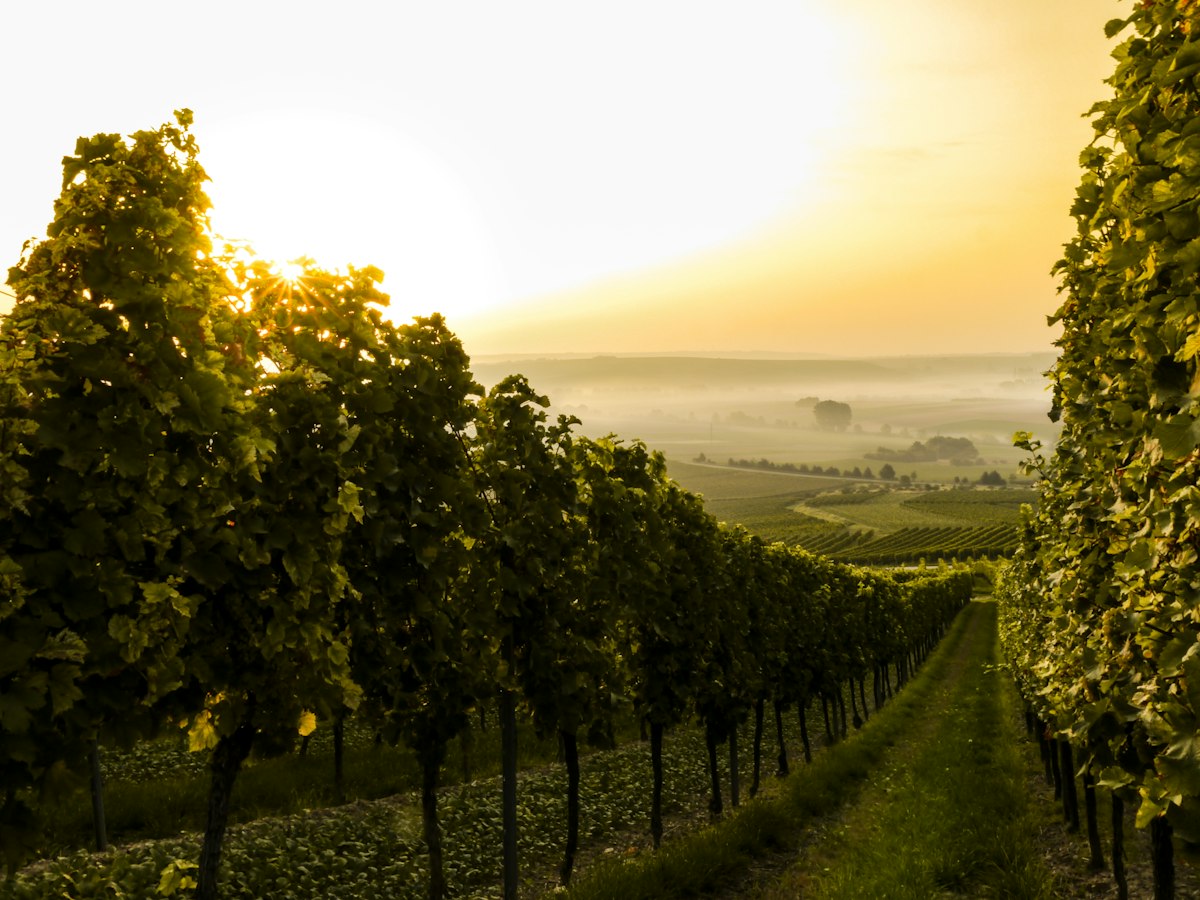
Hail at berry development — typically November through February in NZ — can puncture grape skins, creating entry points for botrytis (grey rot) and other fungal infections. In severe events, bunches may be shattered entirely. The secondary botrytis infection following hail can spread rapidly through a block, leading to complete loss of affected areas. A single hail event can destroy an entire vintage for an affected vineyard.
Stone Fruit
Cherries are the most vulnerable stone fruit to hail damage. The thin skin of a cherry is easily punctured or split by even small hailstones, and subsequent infection renders the fruit unmarketable. Cherry growers in Central Otago and Hawke's Bay who grow for the premium export market face significant hail exposure during the relatively short harvest window (December–January). Peaches and nectarines are similarly vulnerable during fruit development.
Hail Cover vs. Hail Nets: Do You Need Both?
Hail netting systems — either permanent over-row structures or moveable systems — are now standard in many of NZ's premium apple and kiwifruit orchards. Nelson apple orchards are among the most heavily netted in NZ, driven by the region's hail risk profile. However, hail nets and hail insurance serve different and complementary roles:
What hail nets protect: The crop under the net from direct hail impact. An effective netting system can reduce direct hail damage to covered crop by 70–95%.
What hail nets do NOT protect: The net structure itself (which can suffer significant damage in a severe hail event), flowering crops exposed during the brief pollination window, orchard infrastructure, and produce in storage or transit.
Why you still need hail insurance even with nets:
- Hail nets themselves cost $30,000–$80,000+ per hectare to install and must be insured at replacement cost
- Severe hail events can damage or destroy nets even where fruit damage is minimised
- Insurers offer significant premium discounts for netted orchards — typically 25–50% — so the combination of physical protection and insurance is economically efficient
What to Look For in a Hail Policy
Assessment Methodology
The speed and quality of post-hail loss assessment is one of the most important practical factors in hail insurance. Look for:
- **48-hour response commitment**: Insurers should commit to dispatching a loss adjuster within 48 hours of notification. For fresh fruit, delayed assessment means ongoing quality deterioration that can complicate claim settlement.
- **Specialist assessors**: Loss adjusters for horticultural hail claims should have specific experience with the crop type — kiwifruit grading, pip fruit export standards, cherry harvest timing.
- **Grading standard alignment**: Does the assessment use your actual export market's grading standards? A policy that pays based on generic horticultural grades rather than your specific market's standards may not adequately compensate you.
Partial Loss Provisions
Most hail events cause partial rather than total crop loss — some blocks may be severely damaged while adjacent blocks escape. Your policy should clearly specify:
- How partial losses across different blocks are assessed and aggregated
- Whether a minimum damage threshold (e.g., 10% of total insured crop) must be reached before a claim can be lodged
- How quality downgrade (rather than physical loss) is assessed and valued
Infrastructure Coverage
Ensure your policy or a separate farm property policy covers:
- Hail netting structure (poles, wires, net material) at full replacement cost
- Irrigation equipment potentially damaged by hail
- Packing shed roofing and equipment
Timing Your Cover
Hail insurance must be in place before a hail event occurs. Most insurers want policies renewed and in place by late July or August for the coming NZ growing season. Attempting to insure after a hail warning has been issued will result in a declined application — and attempting to add cover during a season where hail has already occurred will face significant restrictions.
Premium Factors for Hail Insurance
Your hail premium is influenced by:
- **Crop type and value**: High-value export crops attract higher premiums in dollar terms
- **Region and microclimate**: Areas with higher historical hail frequency (parts of Hawke's Bay, Nelson, Canterbury foothills) attract higher rates
- **Hail netting**: Orchards with certified hail netting can receive discounts of 25–50%
- **Sum insured**: Based on expected yield at market value or at a conservative export price
- **Claims history**: Recent hail claims will increase your premium at renewal
- **Excess level**: A higher per-event excess reduces your annual premium cost
The Claims Process After a Hailstorm
1. Notify your broker immediately — within 24 hours of discovering hail damage
2. Document everything — photographs from multiple angles, close-ups of individual fruit damage and wide shots of affected blocks
3. Do not harvest or remediate without insurer approval — the adjuster needs to see undisturbed damage
4. Record weather event details — time, duration, estimated hailstone size
5. Prepare yield and grading records — your historical yield and export grade records will be central to the claim calculation
Getting a Hail Insurance Quote
A specialist broker can approach the NZ crop insurance market and relevant international markets to find the most competitive hail cover for your orchard, and can help you structure a policy that genuinely compensates for the way hail damage affects your revenue.